01
Tissue adaptation
How tissue environments shape immune-cell identity
We investigate how lymphocytes acquire and interpret information from the tissues they enter, and how local physiological states alter their development and function.
Adaptive Immunity in Tissues
Adaptive immune cells continually adjust to the tissues in which immune responses occur. We study how lymphocytes acquire, integrate, and interpret tissue-derived information to determine what they become and what they do.
Learn about our research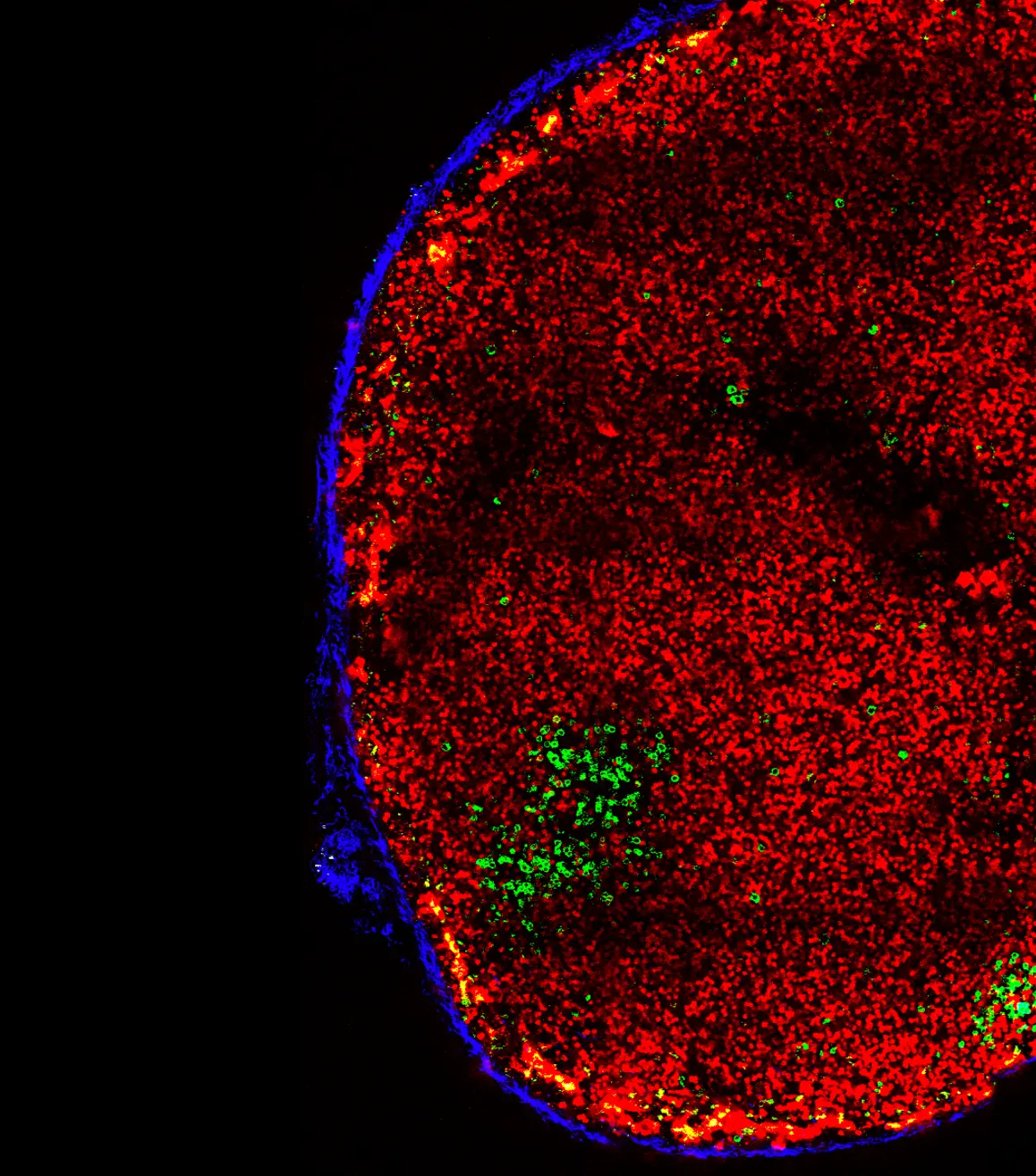
Our central question
Immune cells encounter tissues in dramatically different physiological states. What information do they extract from those environments, and how does it change what they become?
Research
Immune-cell fate is not determined by antigen recognition alone. We study how tissue context is sensed and translated into changes in lymphocyte identity, behavior, and long-term function.
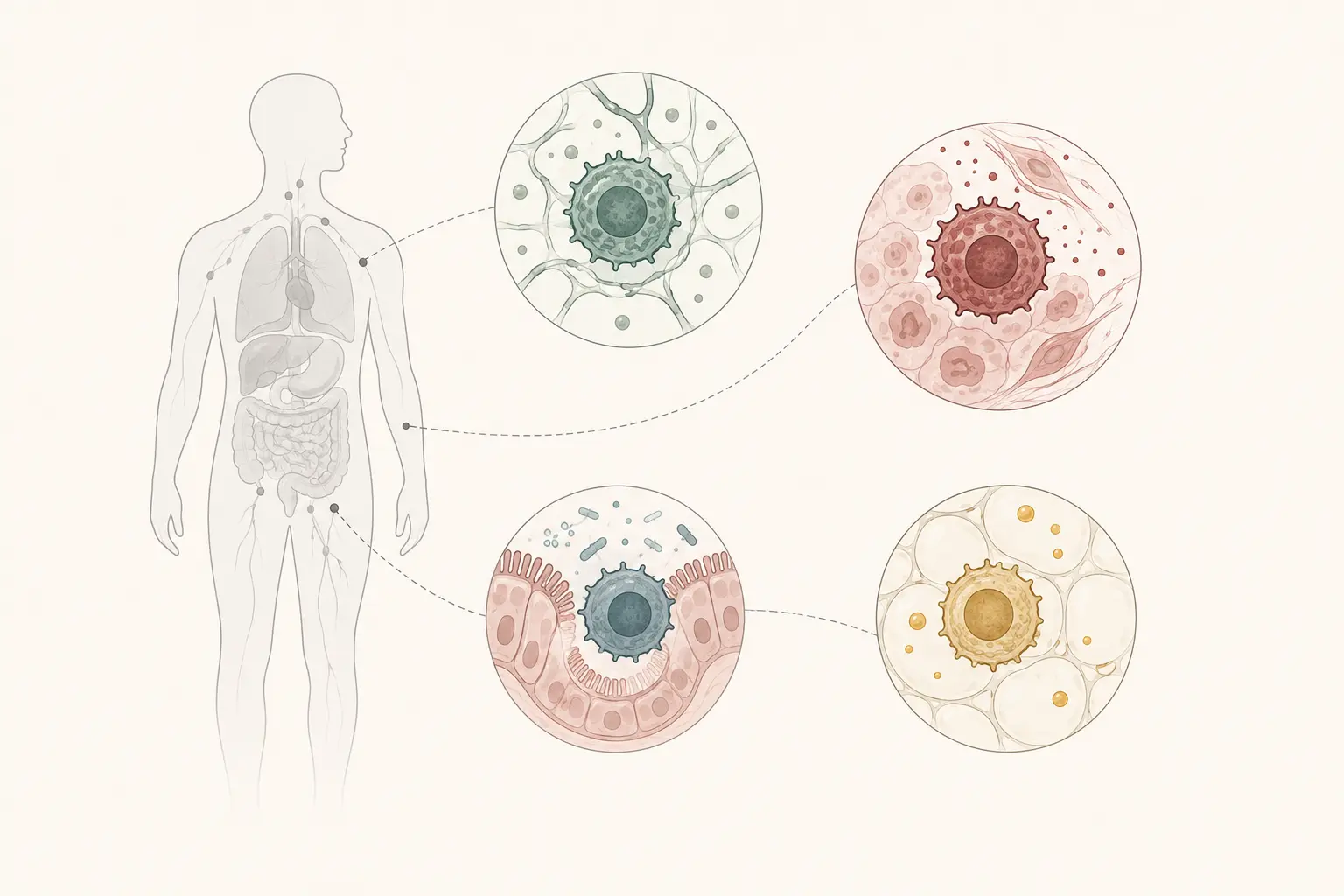
Tissue context
We study how lymphocytes experience and adapt to the distinct physiological conditions of lymph nodes, spleen, bone marrow, intestine, adipose tissue, and tumors—and how those environments alter cell identity and function.
Tissue adaptation
We investigate how lymphocytes acquire and interpret information from the tissues they enter, and how local physiological states alter their development and function.
Cell fate
We study how environmental signals regulate lymphocyte development, differentiation, and effector function—from thymic development and germinal-center responses to memory formation, plasma-cell differentiation, and cytokine production in tumors.
Disease context
We examine adaptive immune responses in cancer, metabolic inflammation, infection, and vaccination to understand when tissue adaptation becomes protective or pathogenic.
Cell fate
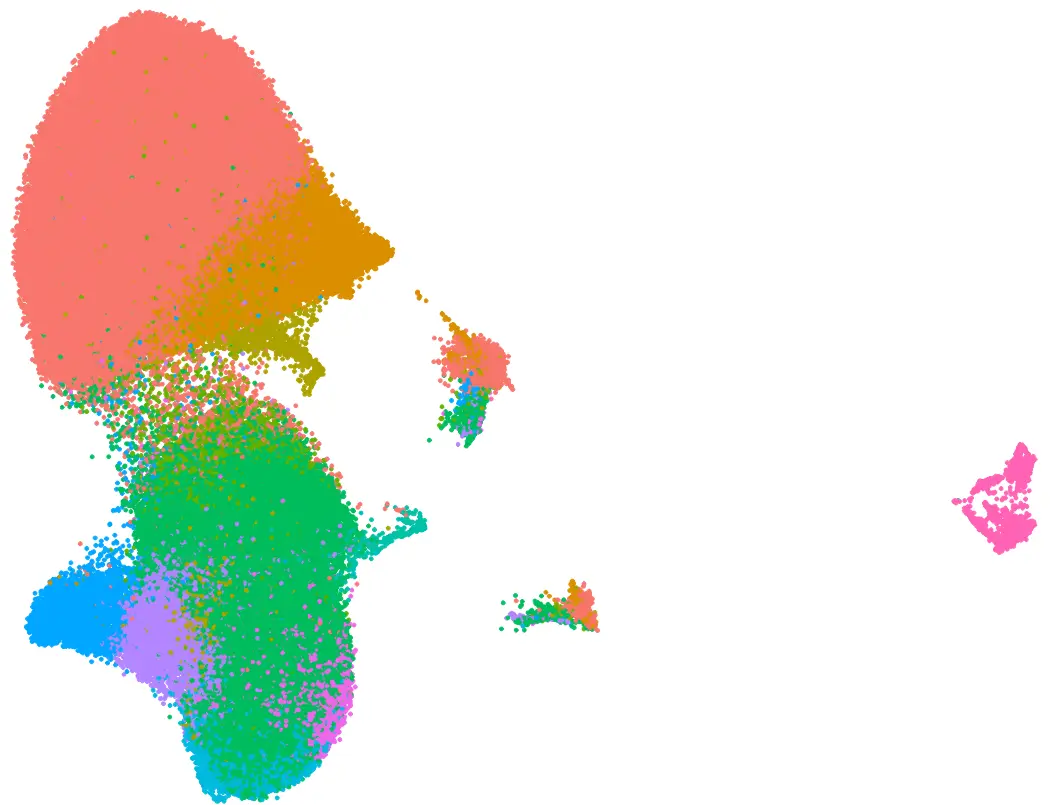
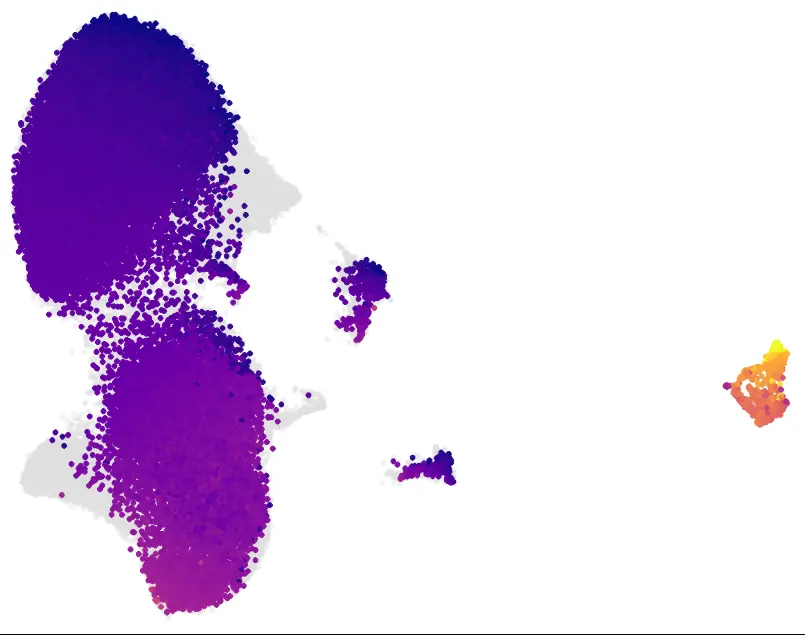
We investigate how tissue-derived information influences B-cell differentiation into distinct memory, effector, and plasma-cell states.
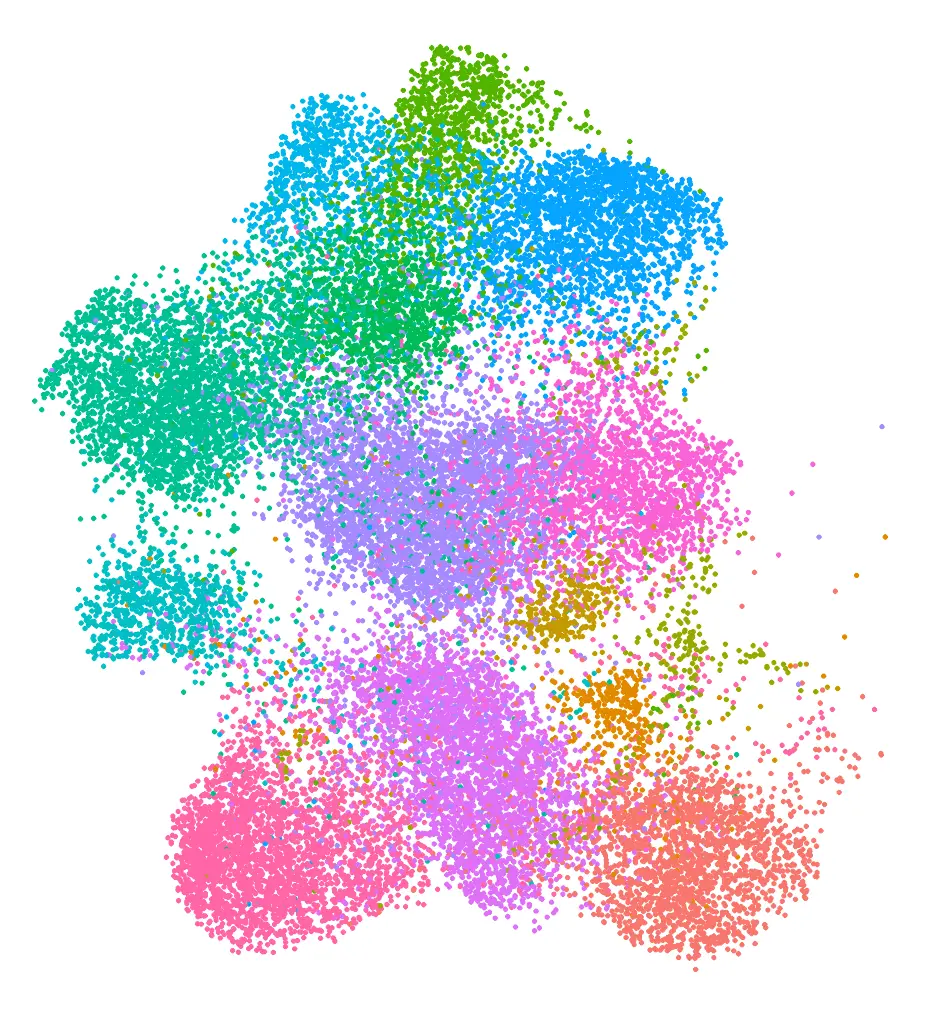
We map T-cell states in the intestine to study how gut physiology and colorectal tumors shape T-cell identity and effector function.
Molecular mechanism
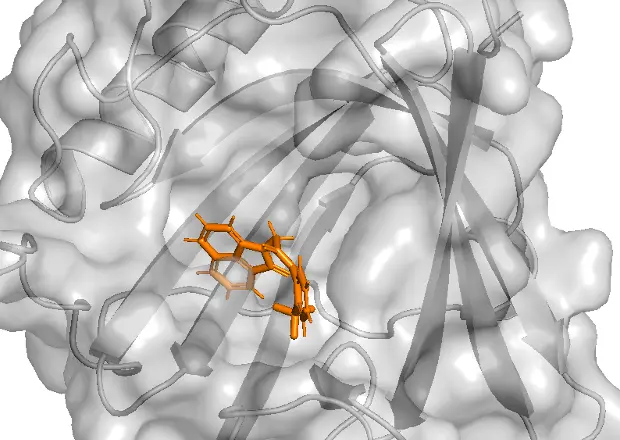
Structural modeling provides a focused way to nominate molecular interactions for biochemical and functional testing.
Approaches
Publications
Research trajectory
Studies that shaped the laboratory's current work on lymphocyte state, tissue adaptation, and cell-fate decisions.
Naïve B cells continually enter established germinal centers and broaden the immune response.
A tissue-adapted B-cell state drives inflammatory and metabolic dysfunction during obesity.
An innate immune checkpoint restrains autoreactive B-cell responses during sterile inflammation.
Other contributions
Selected collaborative papers and reviews.
Hematopoietic stem-cell gene editing programs B-lineage cells for sustained production of antibodies and other therapeutic proteins.
A review of how the CXCL13–CXCR5 axis shapes immune organization, tumor biology, and clinical outcomes across cancer types.
Examines how differential plasma-cell proliferation contributes to antibody affinity maturation.
People
We pair original, rigorous science with individualized mentorship, transparent expectations, and active sponsorship so researchers from different backgrounds and career stages can do their best work.
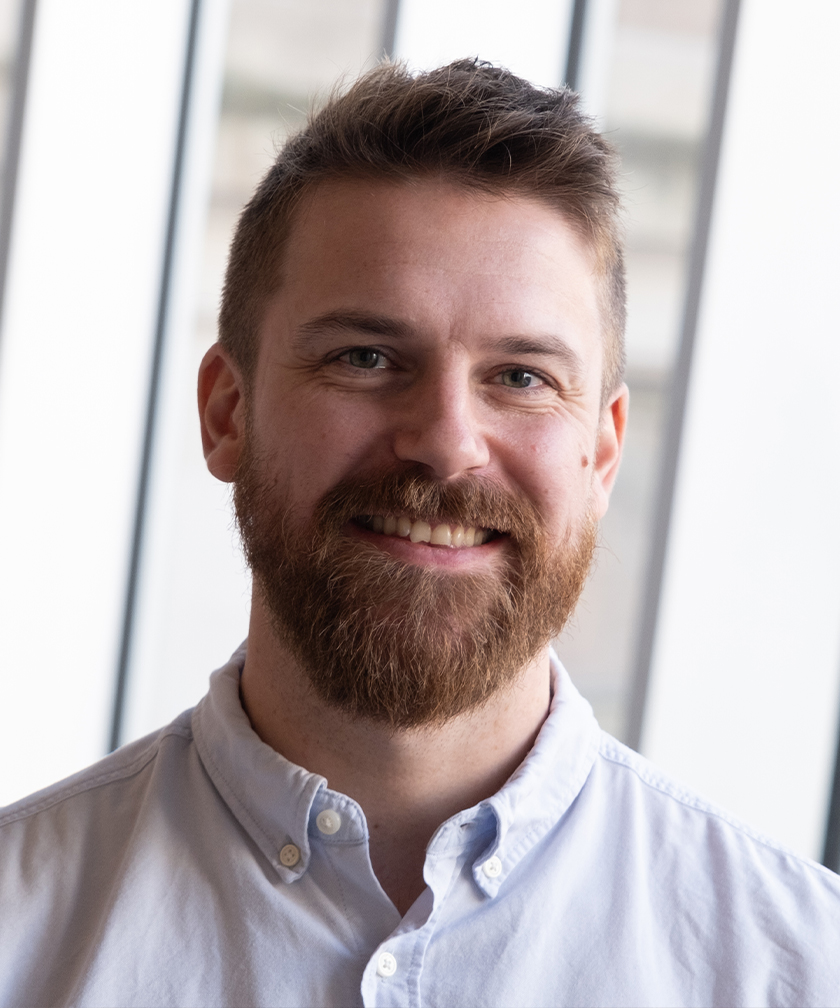
Principal investigator
Assistant Professor, Department of Microbiology & Immunology
Thomas Hägglöf is an immunologist studying how lymphocytes acquire, interpret, and respond to information from tissue environments. His work spans lymphocyte activation, selection, differentiation, and intercellular communication, with a focus on mechanisms that shape protective and pathogenic immunity.
Current members
Postdoctoral Fellow
PhD Student
Research Technician
BEYOND ALBERT Scholar & Lab Volunteer
Rotation Student
Research support & affiliations
The laboratory's research is generously supported and strengthened by an interdisciplinary cancer research community.
News & updates
Presentations, recognition, and developments from the lab.
Sooik joined the lab as a rotation student.
Andrea Amegashie presented at the MECCC BEYOND ALBERT Symposium, sharing her work through both poster and oral presentations.
Smrithi Jayashree Satheeshkumar officially joined the lab as a PhD student.
Andrea joined the lab as a BEYOND ALBERT Scholar and Lab Volunteer.
Linh joined the lab as a postdoctoral fellow.
The laboratory officially opened in January 2025.
Join the laboratory
We welcome inquiries from prospective postdoctoral fellows, graduate students, research staff, and collaborators interested in lymphocyte biology, tissue physiology, cancer, and inflammation.
Email the labContact
Location
Forchheimer Building, Room 416